

Strengthening Youth-Led Conservation through Conservation Education in Nyeri County, Kenya
In Sync with Nature
Nyeri County, nestled between the Aberdares and the snow-capped peaks of Mount Kenya, is one of Kenya’s great “water towers.” Its rivers sustain farms, communities, and wildlife, but this lifeline is under strain. Erratic rainfall, prolonged droughts, and land degradation are reshaping both ecosystems and livelihoods.
At EcoPhilia Kenya, we believe resilience begins with education. By equipping children and youth with the tools and confidence to care for their environment, we can nurture a generation that not only understands the challenges of climate change but is also ready to act.
This belief inspired our Joint Conservation Education Program, implemented in partnership with the Laikipia Wildlife Forum (LWF) and supported by the Global Diversity Foundation (GDF) and the Chance Maker Foundation. The program seeks to strengthen youth-led conservation through eco-clubs, hands-on learning, and school-based action.
Strengthening Youth-Led Conservation through Conservation Education in Nyeri County, Kenya
Schools Involved
– Gakawa Secondary School
– Airstrip Primary School
– Mureru Secondary School
– Mureru Primary & Junior School
– Burguret Primary School
Key Phases
– July: Onboarding schools.
– August: Teacher & leader training.
– Sept–Dec: Student & eco-club activities.
– Jan–March: Youth-led community projects.
– April–May: Monitoring and documentation.
Empowering Teachers Through Training
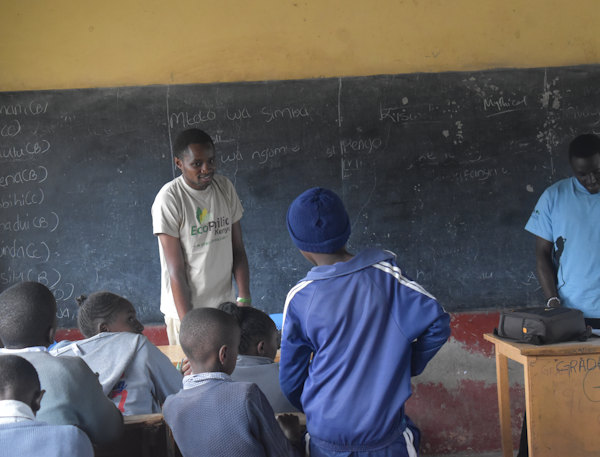
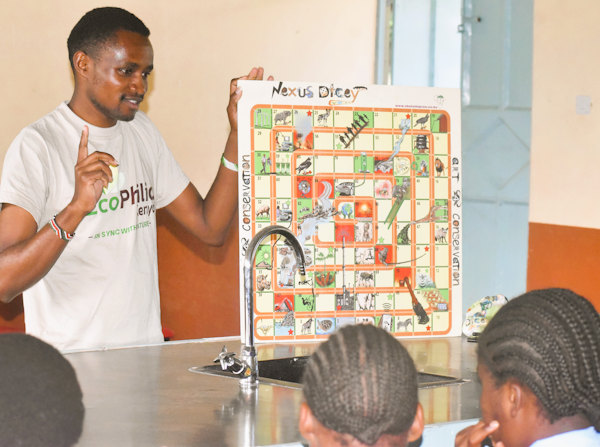
The training brought together ten dedicated teachers from the participating schools. Throughout the day, they explored how to form and guide Eco-Clubs, integrate conservation modules into the CBC curriculum, and use interactive learning tools like the Nexus Dicey game.
A highlight of the session was a practical demonstration on environmental audits, equipping schools with simple yet effective tools to assess their eco-footprints and take measurable steps toward becoming greener.
“For a long time, we have wanted to involve our students in practical environmental action, but we did not know how to begin,” shared a teacher from Gakawa Secondary.
“Now we feel ready to guide them, and I am confident our Eco-Club will become a space of real change,” added another teacher from Mureru Primary.
Nurturing Student-Led Action
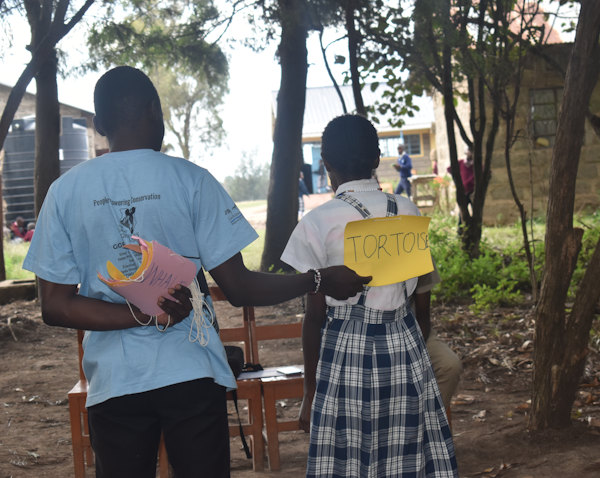
- Environmental audits and clean-up drives
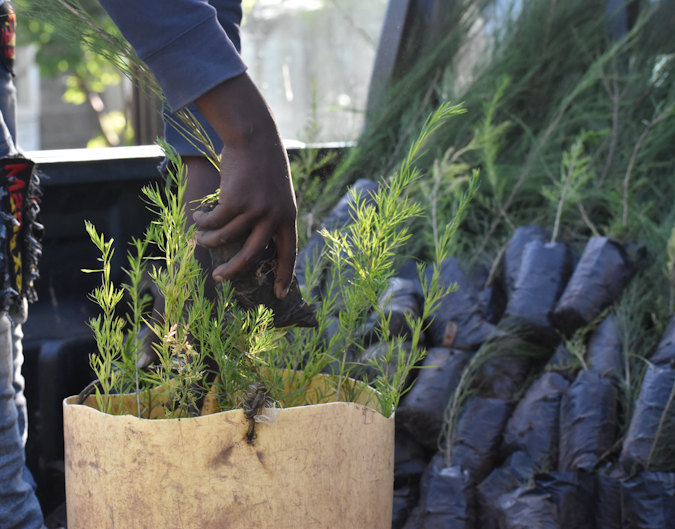
- School nurseries and tree planting
- Art projects and environmental storytelling
- Climate-themed debates and innovation challenges
By the end of the program, at least 300 children and youth will have been directly engaged, gaining practical environmental skills and leadership experience that extend far beyond the classroom.
Growing Beyond the Classroom
As we reflect on these early milestones, we are reminded that seeds take time to grow. With care and commitment, they can transform landscapes.
In Nyeri, the seeds being planted are not only those that will restore forests but also seeds of knowledge, resilience, and leadership in the hearts of young people. These are the seeds that will sustain Kenya’s water towers and inspire communities to live fully in sync with nature.